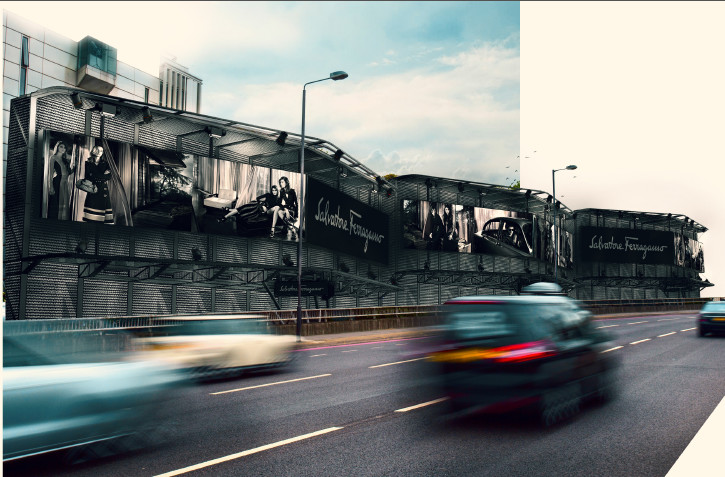
How Advertisers Are Connecting with Commuters Using DOOH
You’re probably frustrated. As the marketing strategist for your company, you’re finding the techniques you relied on for years to get your message out to consumers are no longer effective. It’s not that your message doesn’t resonate with them; it’s that the messages are simply not being seen (or heard, if you used radio advertising).
After all, consumers now have options:
- People now often choose to listen to streaming or recorded music, podcasts, or audiobooks rather than radio content
- Many people are spending more time outside of their homes, and choose not to watch network or cable television when they are home
- Consumers are now keeping up with current events through online publications rather than magazines and newspapers
- Static billboards and posters fail to attract interest as passersby are often paying attention to mobile devices
With all of these developments in marketing and media, how can you put your advertising in front of consumers? The answer is to be seen while people are commuting.
What is a Better Way?
According to Arbitron’s Out-of-Home Advertising Report 2013, the average American spends over 20 hours traveling in a vehicle, and more than three hours walking, each week. This makes out-of-home advertising, especially digital out-of-home (DOOH), a good spend of your advertising dollars.
That means you can just throw up a billboard and new leads will be rolling in, right? Not at all. What makes DOOH more effective than static out-of-home advertising is that you can make your campaigns interactive with DOOH.
How Interactive?
In 2015 alone, there have been a number of campaigns demonstrating how you can use DOOH to create interactive experiences for consumers:
- Chevrolet rolled out the Hidden Gems campaign for the new Trax model. In this campaign, viewers completed a questionnaire on a touchscreen display, then were taken on a virtual ride to the suggested destination, such as a local bar that matched the viewer’s interests.
- Google placed clickable “digital paper” posters around the Bay Area to have passersby vote on the nonprofits competing in its Google Impact Challenge with the goal of increasing the amount of community involvement in choosing the winning nonprofit.
- The city of Toronto is adding interactive screens to static OOH posters located in 10 bus shelters, with the goal being to increase the number of bus shelters to 40. These screens have been added for advertising purposes, with 84% of users saying they would use the screens again.
Capitalizing on Mobile Marketing with DOOH
DOOH is often used to help drive awareness and interest in mobile campaigns, and for good reason. The Out-of-Home Marketing Association of Canada found in their Digital Out-of-Home Study approximately one-third of adults would be likely to send a text for an event invitation, contest, or promotional offer when prompted by DOOH.
Advertisers are even using DOOH to push content to mobile devices. 23red launched a campaign this year called Virtual Blood Donation that invited those walking by their billboards to a microsite where they could download an augmented reality app that showed the benefits of donating blood.
DOOH Brings Search Results to Consumers
Four out of five consumers use search engines to find local results, such as a business’s address or business hours, according to a study conducted by Google in partnership with Ipsos MediaCT and Purchased.
What if consumers were able to find your business’s information on digital displays instead of having to spend time searching on their phones or tablets? Since out-of-home advertising allows advertisers to target very specific types of consumers with each placement, a digital display placed near your ideal buyer directs them to you. For example, some advertisers are turning to digital displays placed on fuel pumps.
DOOH Places You Where Consumers Are
By creating interactive and mobile-friendly campaigns where your customers are, DOOH will certainly have an impact on your advertising. Whether your goal is to draw interest to other platforms or DOOH is your main medium, the benefits of incorporating DOOH are only growing as technology improves.